Assignment background
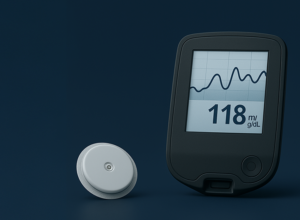
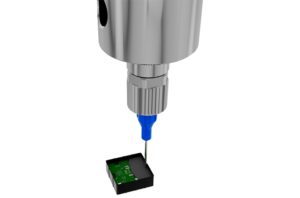
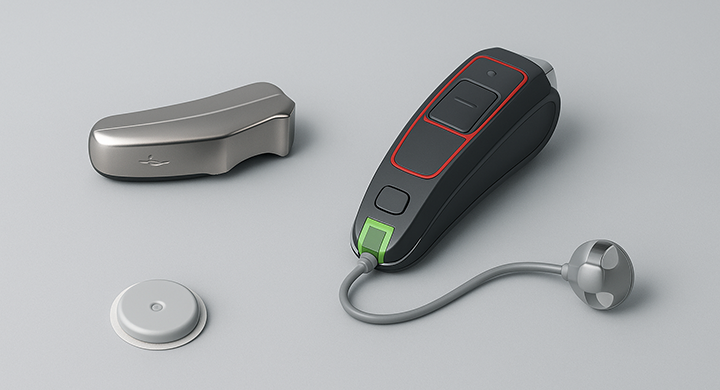
The internal components of medical wearable devices are compact and densely packed, meaning that the accuracy of adhesive application significantly affects product reliability. The two-component adhesives used require uniform mixing of the base and curing agents at an accurate ratio. Any instability in this process can lead to serious problems such as poor curing and insufficient adhesive strength. With conventional application methods, even slight ratio errors or uneven mixing can lead to the following issues:
- Mixing ratio error
The volume and flow rate of the base resin and hardener could not be accurately controlled, and there was a risk that improper mixing would result in some of the resin remaining insufficiently hardened, reducing adhesive reliability. - Uneven mixing
The material was not mixed evenly, resulting in uneven strength after hardening, which resulted in a loss of durability and long-term stability for the entire device. - Increased process impact
Improper mixing can cause variations in curing time, making timing management on the assembly line difficult and negatively impacting product yield and production efficiency.
As such, precise mixing of two-component adhesives and stable application control have become extremely important issues in ensuring the high reliability of wearable medical devices.
Benefits
The introduction of the eco-DUO series of high-precision positive displacement micro dispensers has significantly improved the problems of poor mixing of the base resin and hardener and ratio errors that had previously been an issue. In particular, the ability to simultaneously dispense and mix the two liquids with a quantitative accuracy of within ±1% has resulted in the following benefits:
- Achieving accurate mixing ratios
The base agent and hardener are supplied stably at a set ratio and mixed evenly, preventing insufficient hardening and strength, and significantly improving the adhesive reliability of the product. - Uniform mixing and stable coating quality
The mixed material can be applied stably through continuous, pulsating discharge, and unevenness and bubbles are suppressed even in line application, resulting in uniform, strong adhesion across the entire part. - Improving the efficiency of the manufacturing process
Reduced curing time variability makes assembly process easier to manage, reducing process delays and rework risk, improving both yield rate and productivity - Ensuring long-term reliability as a medical device
Proper mixing and uniform application ensure the durability and stability of internal components, contributing to the development of medical wearable devices that can be used safely for a long period of time.
Introduced products
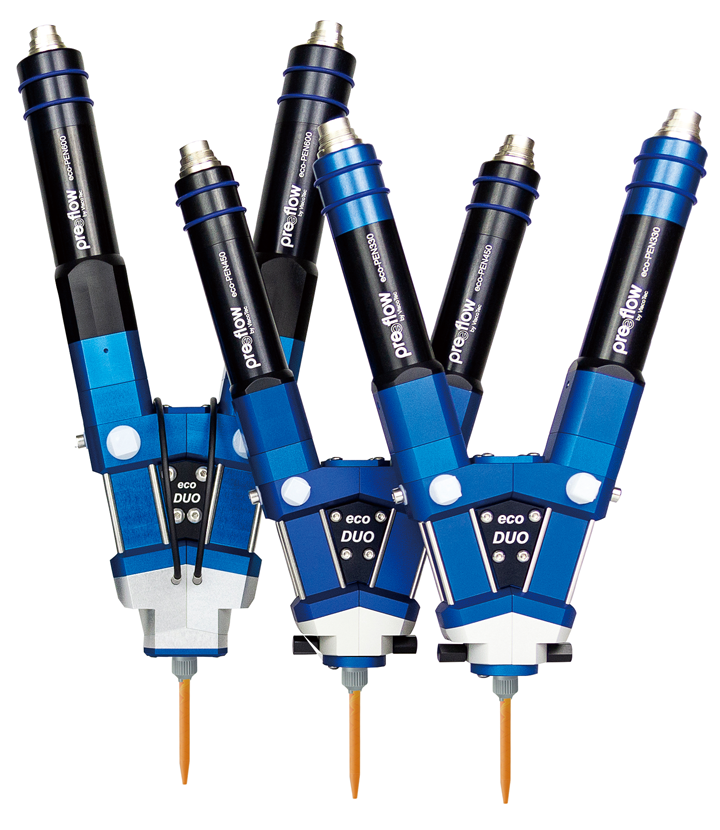
Two-liquid positive displacement high-precision microdispenser eco-DUO330/450/600
This dispenser achieves precise ratio control and uniform mixing of two-component adhesives, which are important for bonding components inside medical wearable devices. The base and curing agents are dispensed in fixed amounts using independent volumetric delivery systems, and mixing is performed with an accuracy of within ±1%. This prevents poor curing and allows for the formation of a uniform, strong adhesive layer.
- Mixing and dispensing of base resin and hardener with high accuracy within ±1%
- Uniform mixing prevents poor curing and uneven strength
- The suck-back function prevents dripping and ensures cleanliness even for minute parts.
- Stable discharge without pulsation maintains coating quality for a long time
- Supports a wide range of two-component adhesives, from high to low viscosity
- Ensuring the long-term reliability and durability required for medical wearables